Embodied Carbon

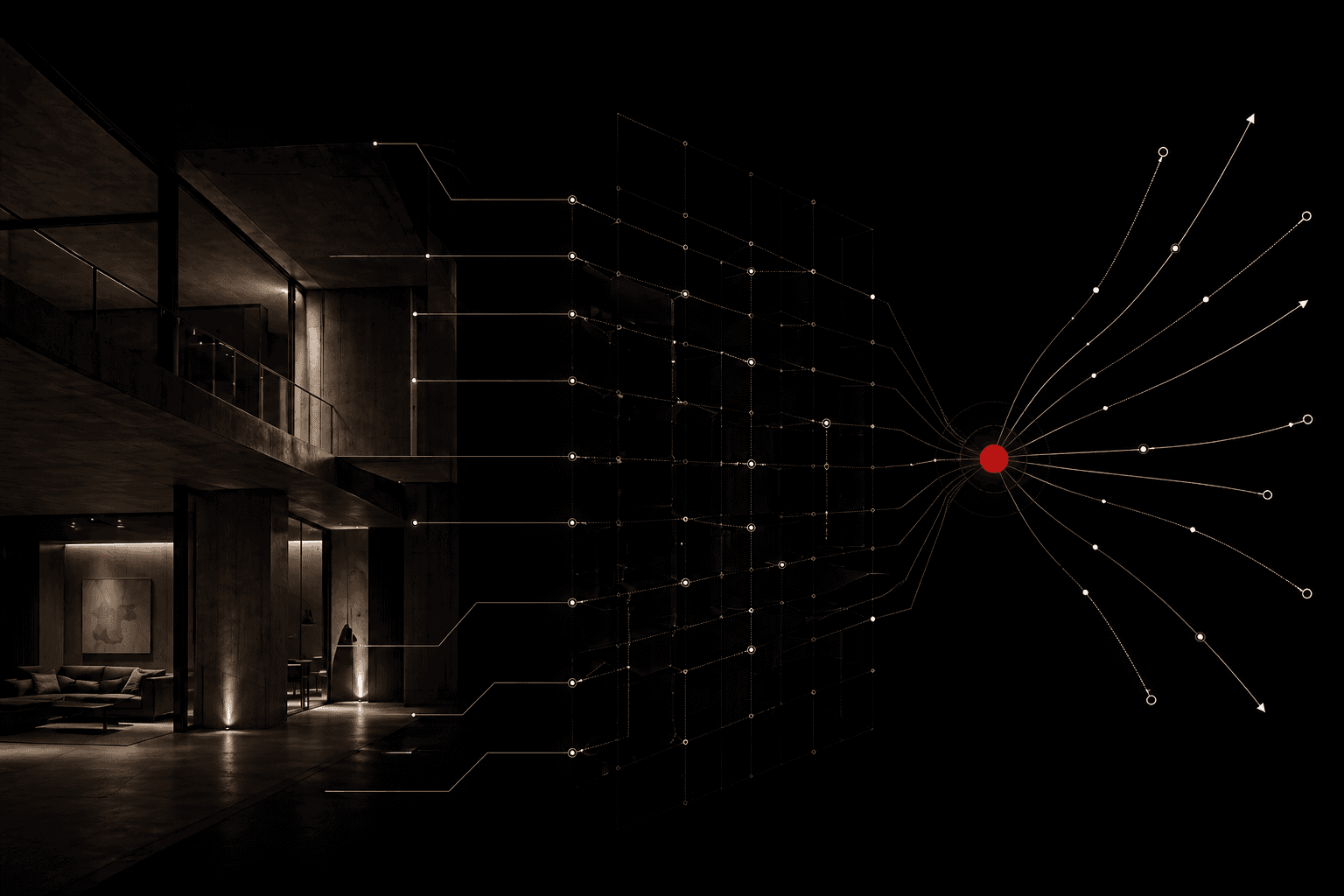
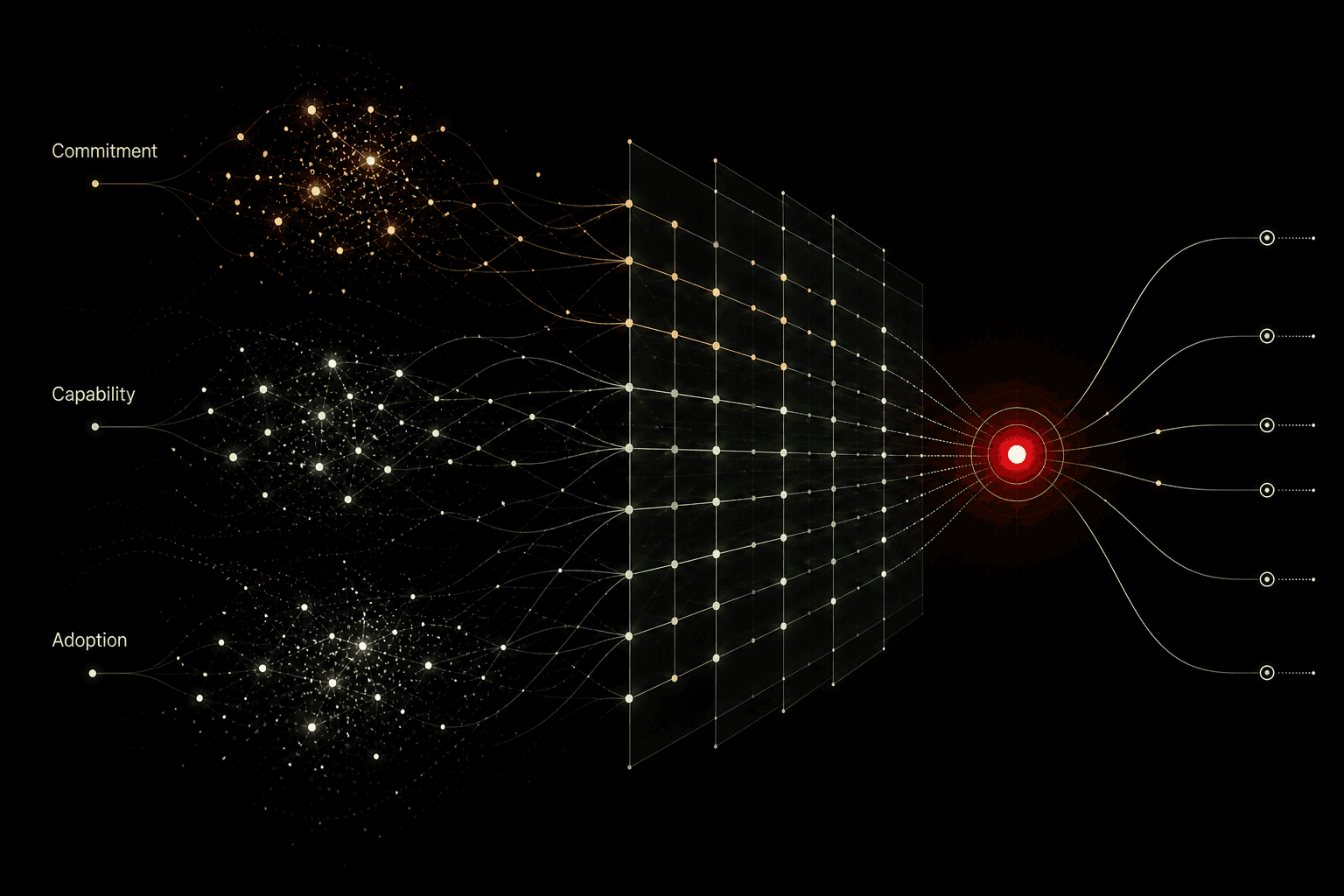
Carbon becomes comparable before design is fixed — enabling decisions when they still matter.
IMPACT: Applied and refined in live project workflows through Carbon Index system development.
Thesis
Carbon isn’t a reporting problem. It’s a timing problem. If it appears after decisions are made — it constrains. If it appears early — it defines direction.
Problem
Carbon exists in most workflows. But it shows up as: ○ calculations ○ reports ○ compliance outputs And it appears: ○ after design decisions ○ after systems are selected ○ after direction is set So it doesn’t shape design. It validates it.
Shift
The question changed. Not: “How accurate is the calculation?” But: “When does it influence a decision?” So carbon was embedded into: ○ early-stage trade-offs ○ assemblies and systems ○ material selection Not something you run. Something you design with.
Proof
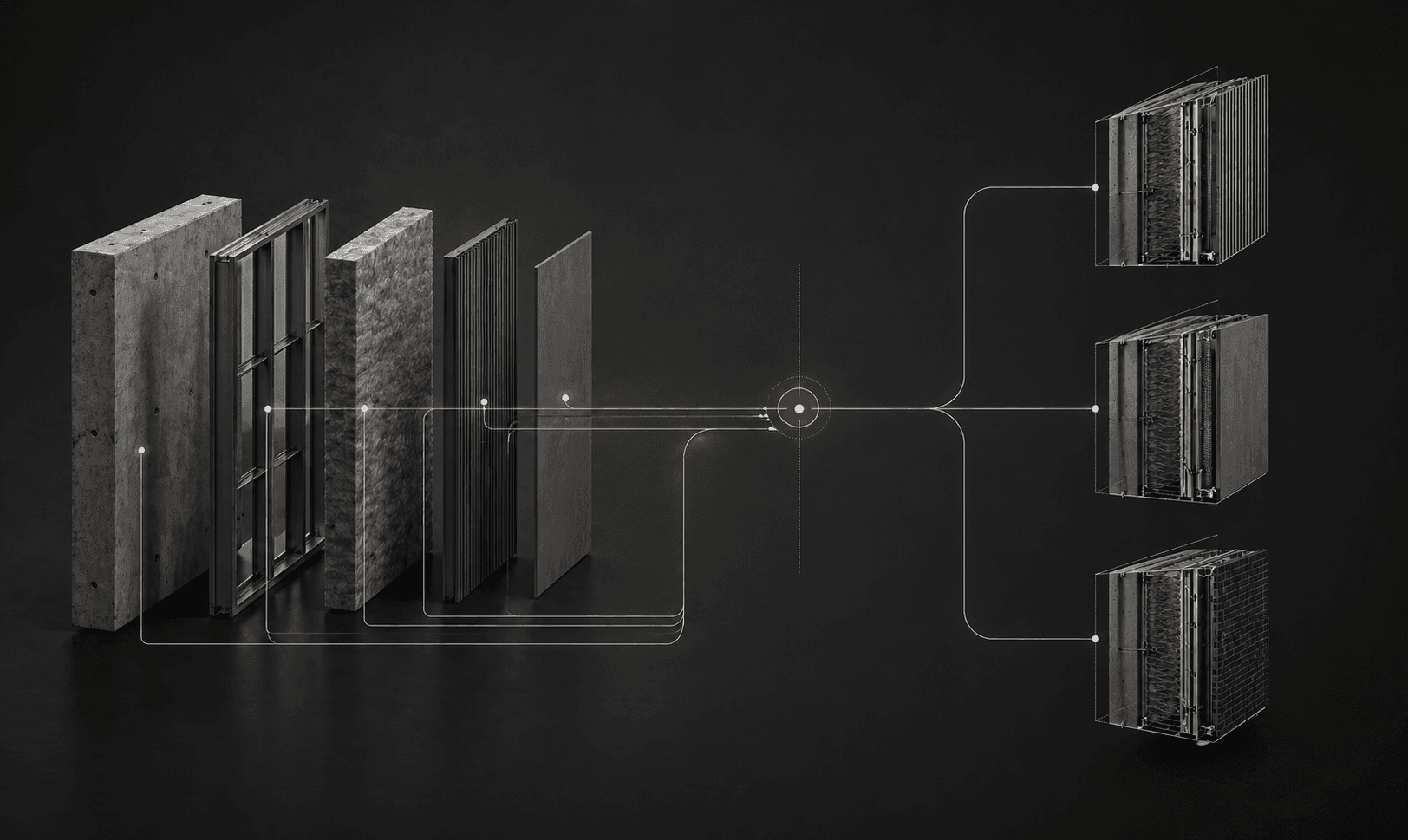
Applied in live projects: ○ influenced early-stage option selection ○ surfaced trade-offs before commitment ○ reduced late-stage rework and recalculation As it matured: ○ decisions moved upstream ○ iteration increased ○ carbon shifted from constraint → input
Outcome
Carbon became actionable. It became part of how decisions are made.
What This Enables
It no longer asks: “Does this meet the target?” It becomes: “What direction should this take?” Shift: ○ reporting → design logic ○ output → input ○ constraint → driver
System Shift
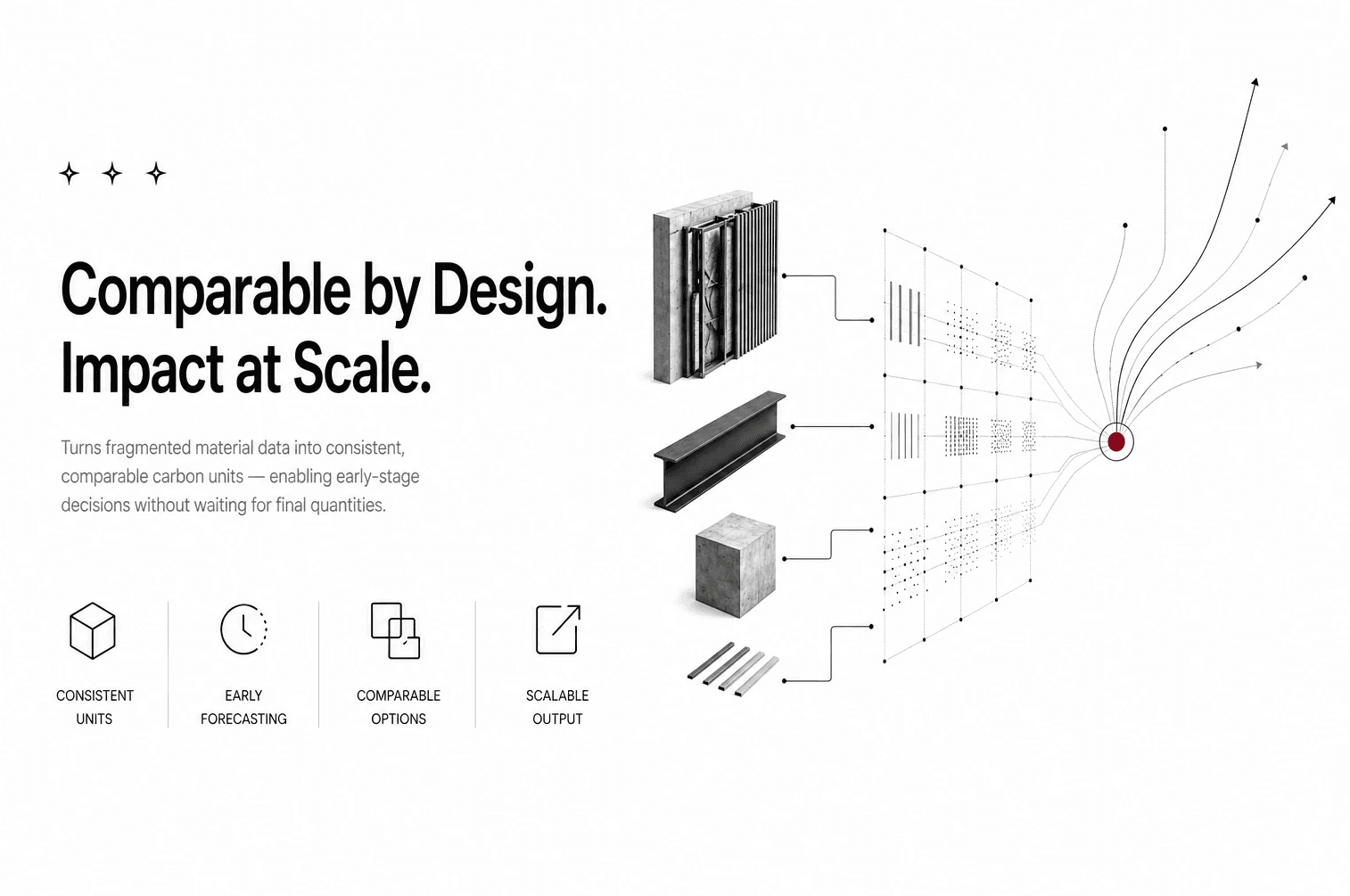
Carbon only becomes actionable when it’s comparable. Like fuel efficiency (mpg), you don’t measure performance for every trip — you standardise it to compare options. Carbon works the same way. Normalised units make impact visible early — so decisions happen before design is fixed. This required restructuring how carbon connects: ○ linking performance directly to assemblies ○ mapping specifications to impact ○ enabling comparison before direction is fixed Comparable by design — not calculated after.
Shivani S Soni
System
Portfolio
Systems designed to shape how decisions are made in design, build & operate.