Design-to-Data

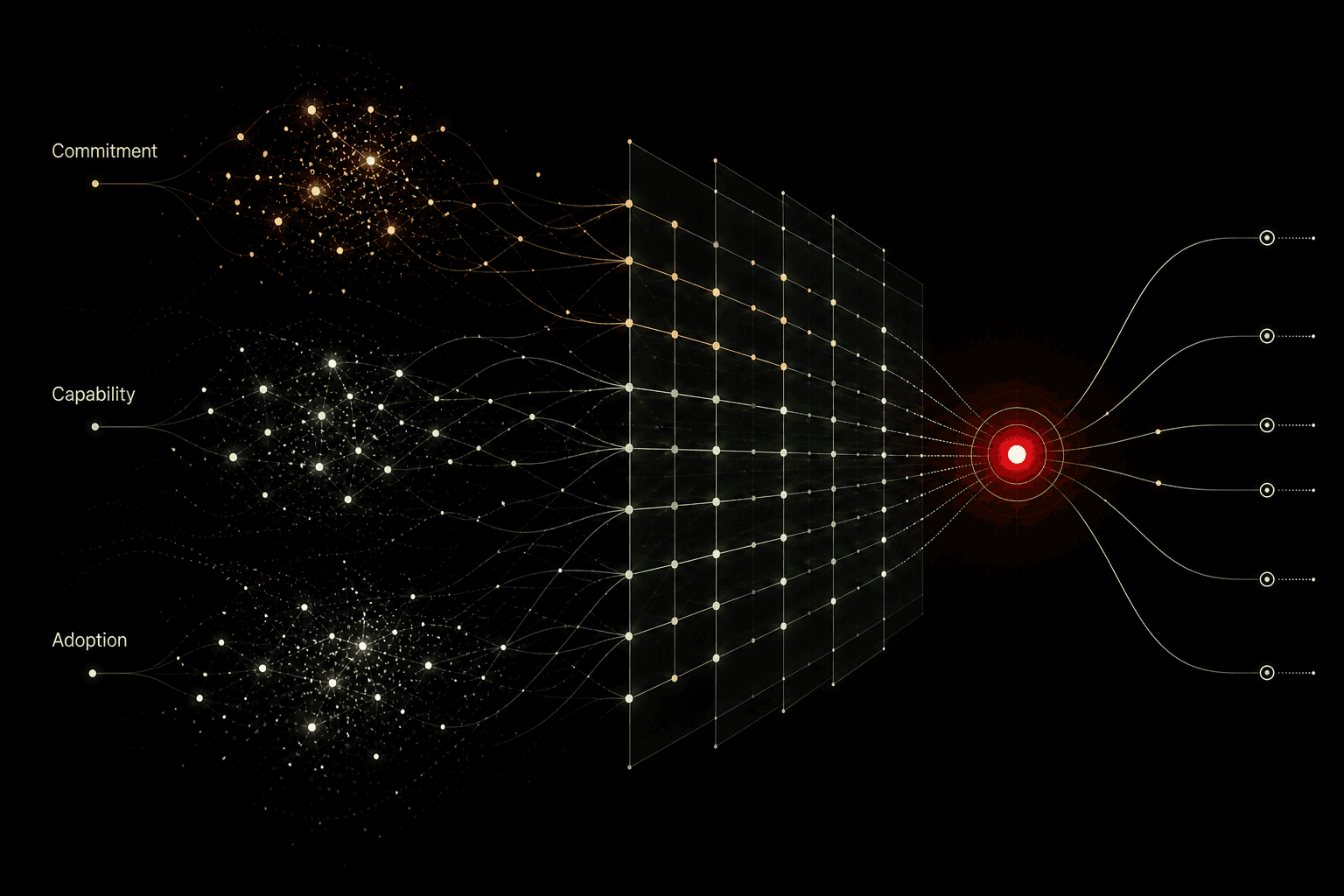
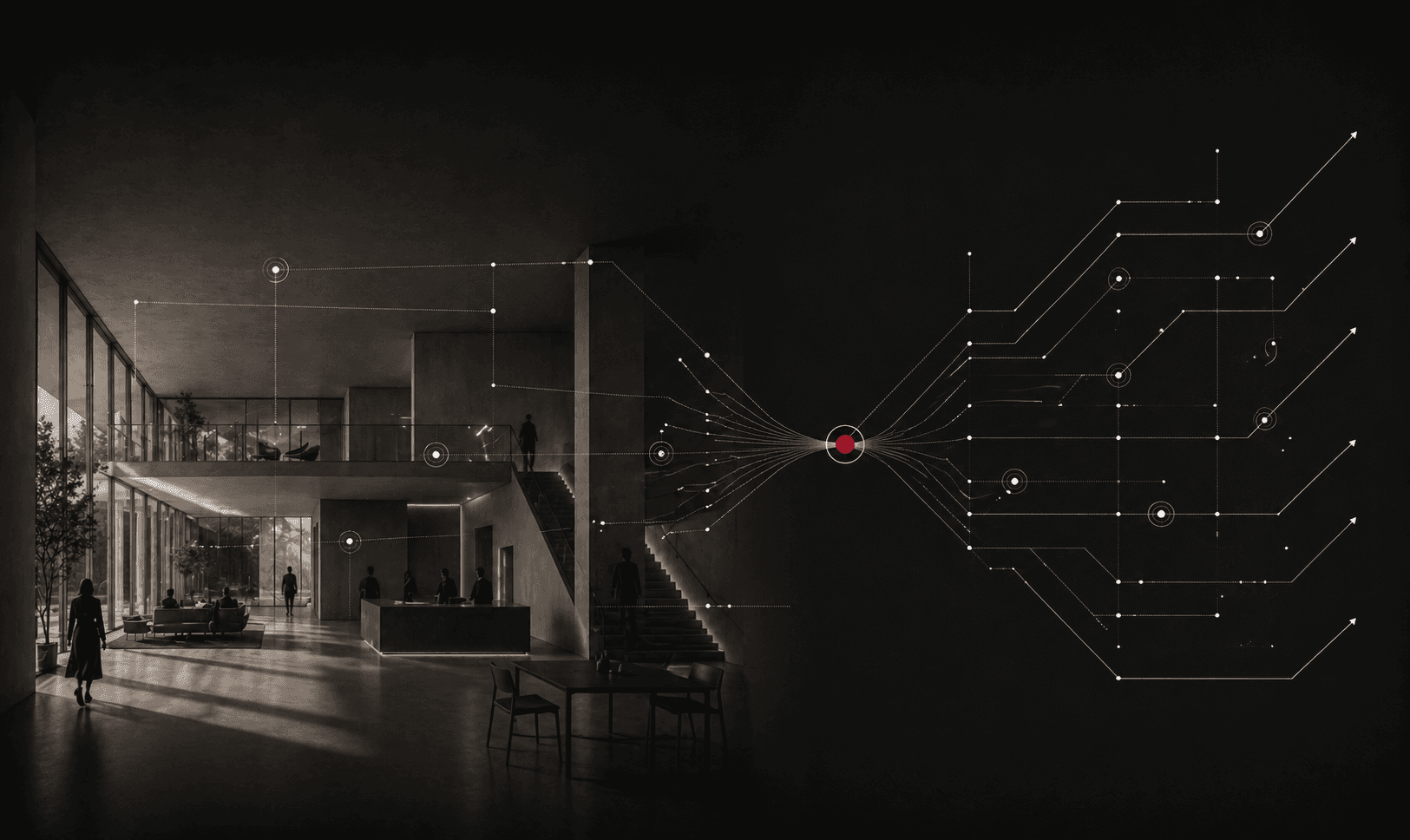
Specifications are becoming decision infrastructure. Design and data are no longer separate — they operate as one system. As project complexity increases, disconnected data becomes the limiting factor — not design capability.
IMPACT: Connecting specifications, assemblies, and performance into a continuous workflow — reducing manual translation and enabling decision-ready data from day one.
Thesis
Design produces data — but decisions happen elsewhere.
Problem
Specifications, carbon, and performance: ○ sit in separate systems ○ are applied manually ○ appear too late And it shows up: ○ outside workflows ○ after decisions ○ without context So it doesn’t guide design. It sits beside it.
Shift
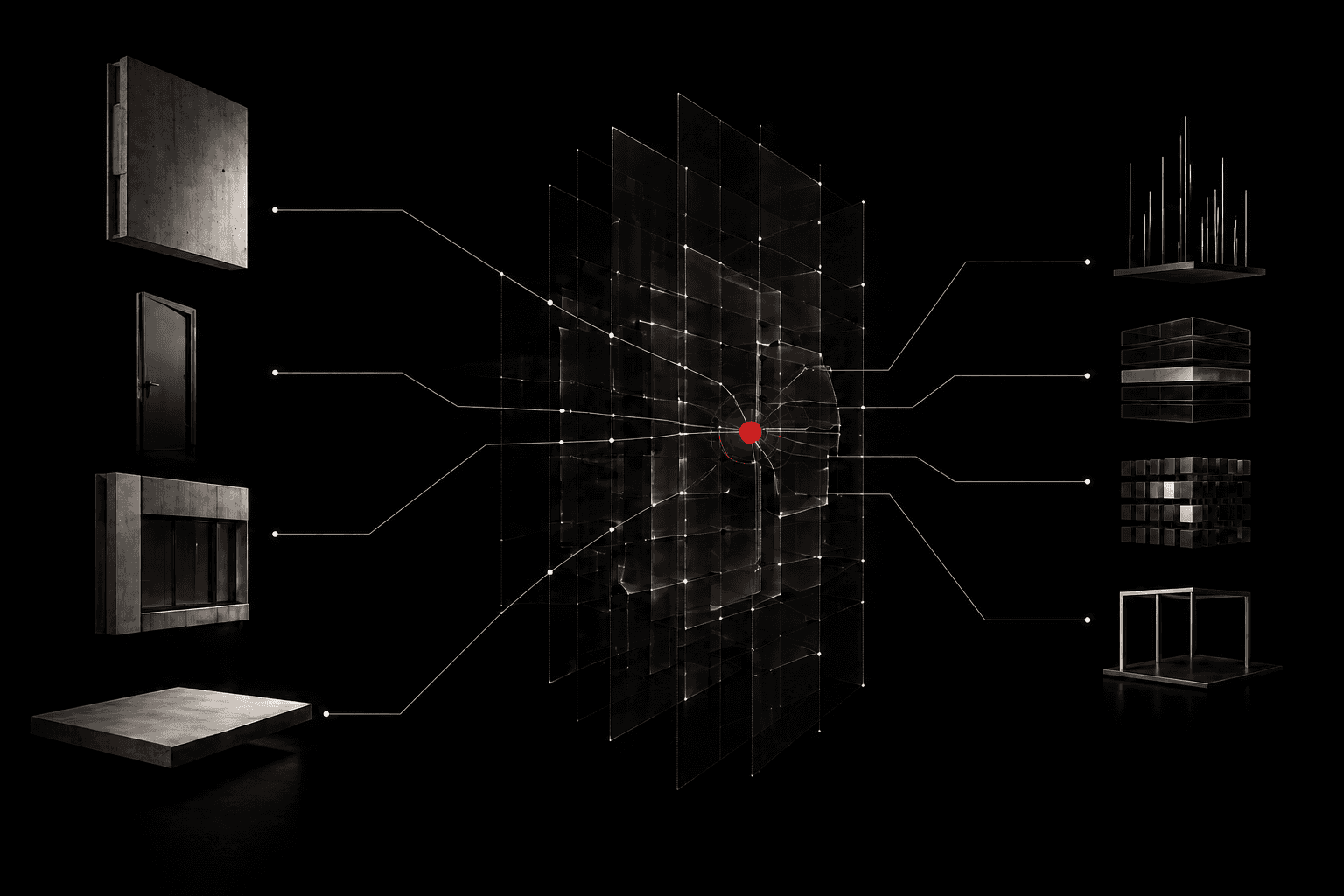
The focus moved to integration. Not: “Where is the data?” But: “How does it drive the decision?” So data was embedded into: ○ structured relationships ○ mapped systems ○ continuous workflows Not something you access. Something you operate within.
Proof
Consistent signals across project workflows showed: ○ 3–14+ days spent on manual mapping ○ 20–80% time savings expected through structured workflows ○ strong demand for automation + workflow integration As it matured: ○ manual data handling reduced ○ consistency improved ○ feedback became earlier
Outcome
Data became embedded — and decision-active. Not processed after. Operated in real-time.
What This Enables
It no longer asks: “Where do I find the data?” It becomes: “How does this inform the decision?” This shifts the model: ○ from siloed → connected ○ from static → continuous ○ from external → embedded
System Shift
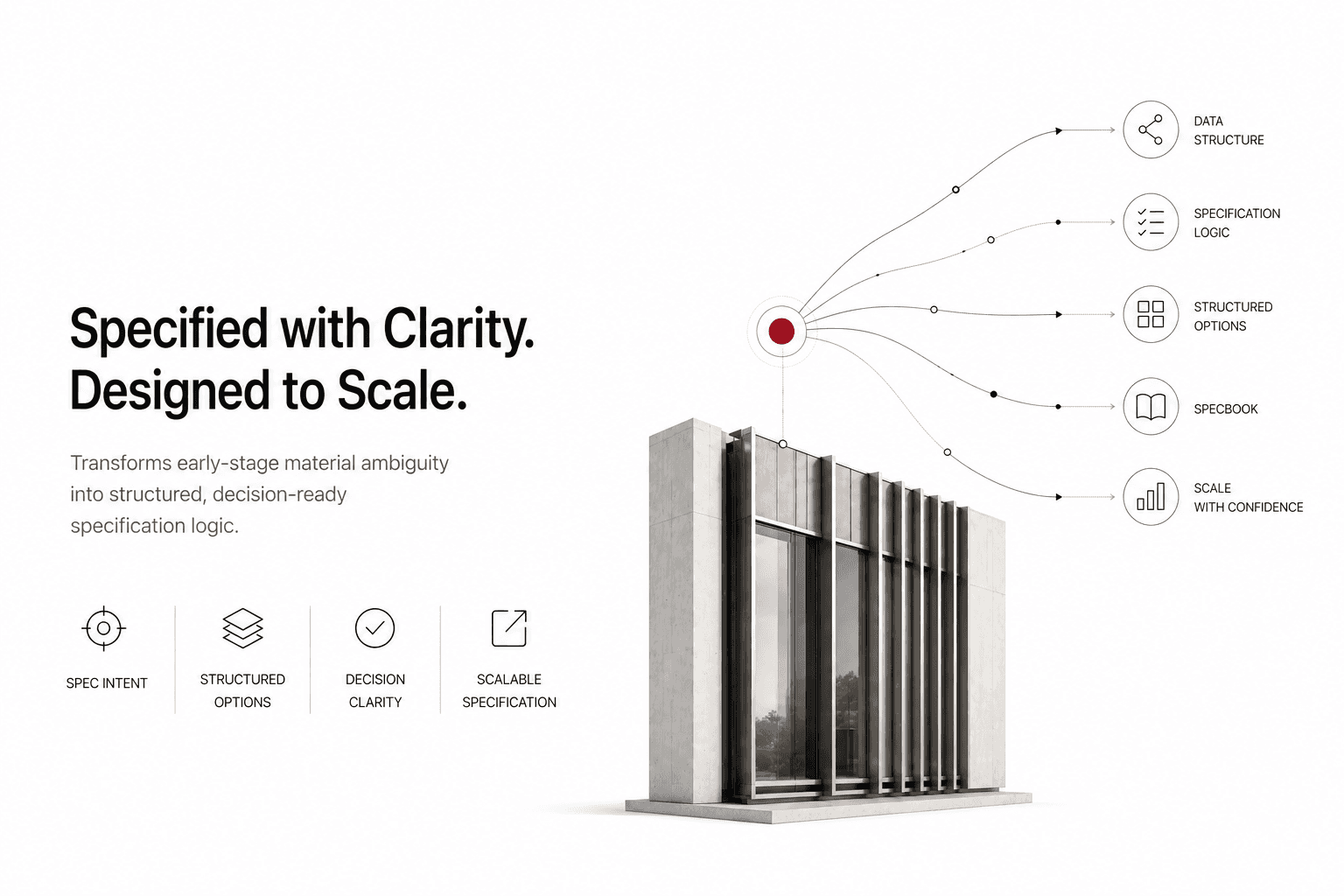
This required structuring relationships: ○ linking data to design elements ○ embedding into workflows ○ enabling continuous feedback Not connected after. Connected by default.
Shivani S Soni
System
Portfolio
Systems designed to shape how decisions are made in design, build & operate.